Delivering on the Isle of Man Government’s ambitions

The Mooir Vannin Offshore Wind Farm will help the Island reach its net-zero targets

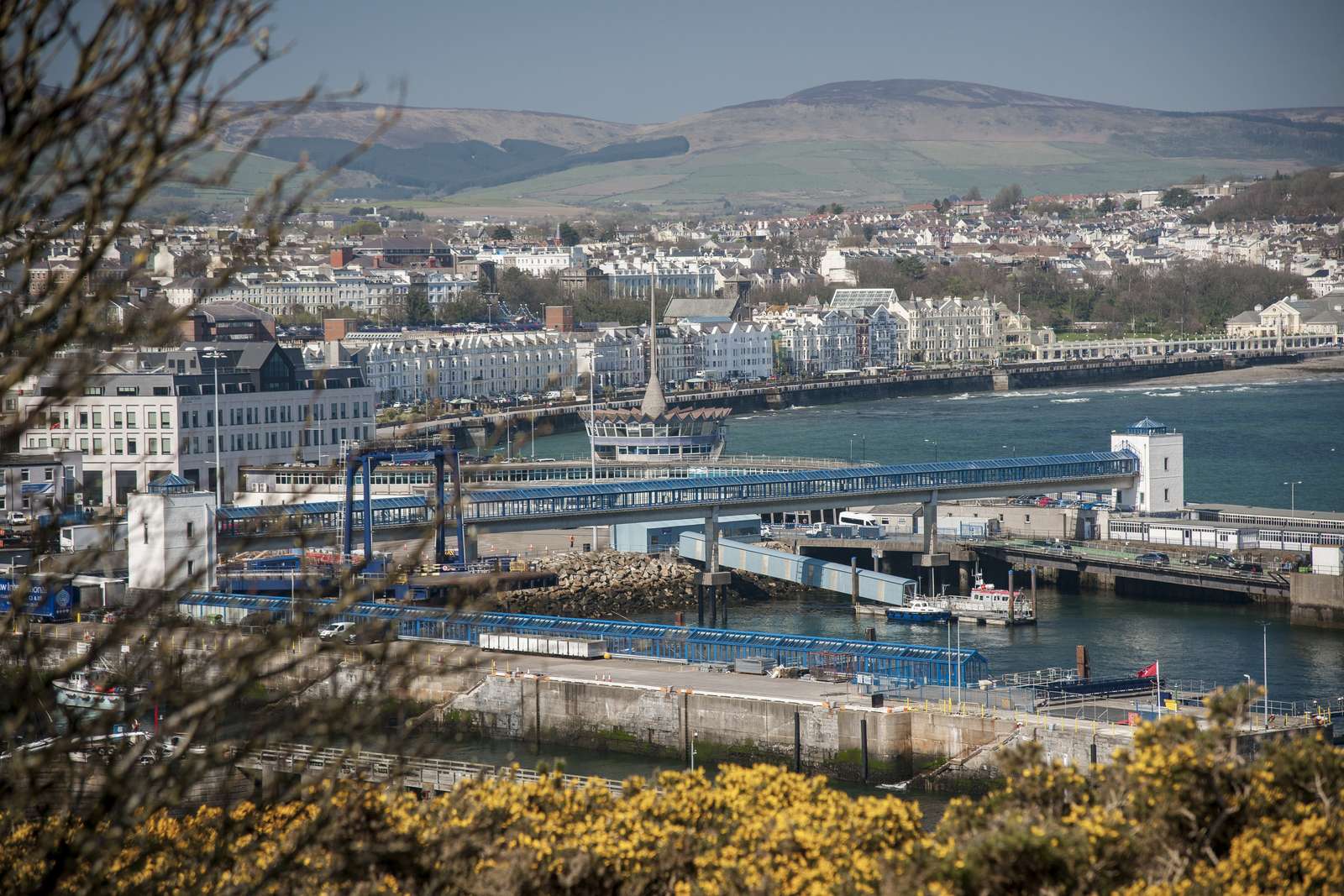
Coastal image of the Isle of Man

A policy roadmap to net-zero 


The Isle of Man, like all island nations, faces a series of challenges to the security of its energy system and the climate change impact of its energy generation.

With the Climate Change Act of 2021, the Island set legally binding carbon targets to reach net-zero greenhouse gas emissions by 2050.

The Climate Change Act of 2021 was the result of years of legislative action by the Isle of Man Government to align the Island’s principles and priorities into policy. From the Agenda for Change in 2013 through to the Energy Strategy 2024, the Island has set its own road map for a decarbonised future.

Ørsted’s proposed Mooir Vannin Offshore Wind Farm not only supports the Isle of Man Government’s ambitions to decarbonise the energy system – it will play a key role in helping the Island meet its strategic renewable energy goals.

This page takes a look at some of the policy milestones that have set the Isle of Man on its path to net-zero and a green energy future.


Agenda
for Change 2013 & 2014


In 2013, Tynwald approved the Agenda for Change to build a sustainable future for the Isle of Man, setting the pathway to the Island’s decarbonisation efforts and interest in renewable energy alternatives.

The 2013 Agenda for Change report by the Council of Ministers on Environment and Infrastructure Policy laid out how the Government would achieve its goals. One of the key objectives stated: “Government will explore opportunities to develop potential offshore energy production in Isle of Man territorial seas for export to neighbouring jurisdictions; this may include the establishment of strategic partnerships.”

A subsequent 2014 report pointed out the potential benefits of an offshore renewable project in terms of attracting Government income from seabed lease revenue, increasing employment opportunities, and securing local energy supplies.

Agreement for Lease award to Ørsted in 2015


With the Isle of Man Government recognising the benefits of an offshore wind farm in its territorial seas in terms of jobs, income and renewable energy generation for the Island, it signed an Agreement for Lease (AfL) with Ørsted in 2015.

The AfL gave Ørsted the ability to investigate the territorial seas off the Isle of Man as a site for potential development.

The Climate Change Act of 2021 


With the Climate Change Act 2021, the Isle of Man Government set legally binding carbon targets to reduce greenhouse gas emissions by 100% – often referred to as ‘net-zero’ – by 2050.

The Mooir Vannin Offshore Wind Farm will contribute toward the net-zero emissions target set by the Climate Change Act 2021 through the substantial generation and delivery of renewable energy to the Isle of Man. Based on the earliest operational date of 2031, the offshore wind farm will contribute to the 2050 net-zero target.

The Climate Change Act also specified that the Island’s efforts to meet its net-zero goals must do so in accordance with ‘just transition’ and ‘climate justice’ principles.

Mooir Vannin will support these principles by providing environmentally and socially sustainable jobs, investing in low-carbon infrastructure, and working collaboratively with the Government, local community and businesses. 

The Island Plan


The Island Plan sets out the continued overarching vision to build a secure, vibrant and sustainable future for the Isle of Man through the creation of 5,000 jobs in new and existing sectors.

Mooir Vannin will help drive employment, climate change benefits and provide an opportunity for an alternative revenue stream for the Isle of Man Government. All of which directly aligns with the Island Plan. 

Energy Strategy 2024

Coastal image of the Isle of Man


The Island Plan also sets the aim to “deliver a strategy for energy security, making renewable and green energy available for all Island residents and businesses.”

This is delivered through the Energy Strategy 2023 which sets out the Isle of Man Government’s policy direction and reaffirms its commitment to increased energy independence, meeting net-zero targets, and supporting sustainable economic growth through a series of policy principles, including a fundamental principle to deliver offshore wind.

The 2024 strategy update includes a dedicated section for offshore energy projects reiterating offshore wind as a top cross-governmental priority. As well as addressing progress and progress still to be made on the legal and regulatory framework required to deliver offshore wind, there is specific references to Ørsted’s proposed Mooir Vannin Offshore Wind Farm – demonstrating the key role that it can play in the Island’s long-term strategic aims and objectives.

It also states that Manx Utilities and Ørsted are actively engaged in technical discussion on how to connect the wind farm to the Island’s power system.

Benefits of the proposed Mooir Vannin Offshore Wind Farm

Over the last decade, all Isle of Man planning legislation, policy and strategic documents have supported the provision of renewable energy projects, including offshore wind development generally, and Ørsted’s proposed Mooir Vannin Offshore Wind Farm specifically, in playing a key role in meeting the Isle of Man’s transition to net-zero. 

The Climate Change Act 2021 set legally binding carbon targets to reduce greenhouse gas emissions by 100% by 2050. This makes decarbonisation in the Isle of Man a legal requirement. 

In order to achieve this, the Isle of Man must decarbonise its energy system, electrify heating, industry and transport. 

Ørsted’s proposed Mooir Vannin Offshore Wind Farm will play a key role in meeting the Isle of Man’s critical strategic needs and provide numerous benefits to the island, which can been viewed here

Isle of Man coastline with lighthouse on headland
Mooir Vannin

The Isle of Man’s first offshore wind farm